
The World’s Most Cathartic Conversation
There’s an old saying: hope for the best but plan for the worst.
Easier said than done. When launching new projects, initiatives, or other programmed efforts we rarely make time to consider how things could go wrong. After all, who wants to be the team’s Debbie Downer?
Sometimes, if the project ends on a low note, we may feel compelled to reflect on what happened. But how often do those insights get captured so they are accessible and useful for future efforts?
We need to flip the script.
Instead of conducting a post-mortem (when it’s too late to benefit the dead patient), consider leading a conversation at the very beginning of the project. A pre-mortem envisions a potentially disastrous ending in advance, and addresses project obstacles before they appear, so that the work can be improved rather than autopsied.
Research backs this up. Studies have found that prospective hindsight—imagining that an event has already occurred—increases the ability to correctly identify the causes by as much as 30%.
I adopted the pre-mortem process decades ago for launching high-stakes innovation initiatives and have refined it over the years. Depending on team size and program complexity, it can take a few hours. But I’ve also led this exercise in as little as 30 minutes using the following approach, in both physical and virtual meeting rooms:
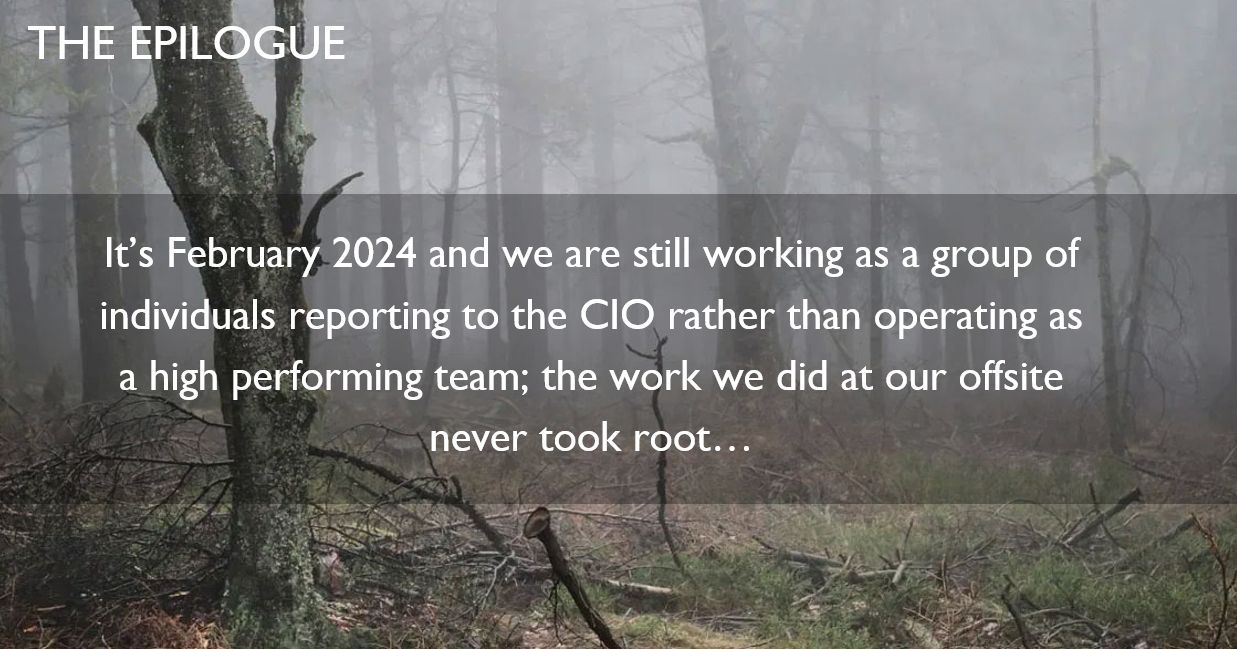
Step 1: State a disastrous epilogue and ask participants to silently write every reason that could lead to this outcome (one idea per Post-It note). Collect, clarify, and post them, eliminating duplicates (5 min)
Step 2: Have everyone vote on the three most likely causes and move them to a new sheet (5 min)
Step 3: For each of the top three, brainstorm leading indicators or red flags that suggest the issue is happening - or about to happen (10 min)
Step 4: Categorize each indicator as either preventable or remedial. Discuss whether plans are in place to address both categories; if not, confirm action items and owners (10 min)
While a pre-mortem is a powerful way to identify and mitigate risk, it does far more than that. When the conversation includes multi-disciplinary, multi-functional, or even multi-generational participants, the process becomes a creative act that benefits from divergent perspectives, expertise, and lived experiences.
It is also a highly inclusive form of teaming. Common excuses such as “we didn’t anticipate that” are surfaced early, examined opening, and addressed collaboratively.
Perhaps most important of all, a pre-mortem is, by definition, a psychologically safe conversation. It actively invites dissent and legitimizes speaking up before problems become too costly to resolve.
Several years ago I led a pre-mortem for a large consulting team responsible for developing and selling complex technical programs. During the debrief, I asked each participant to share one word that captured the experience.
As we went around the room, one response stood out that has stayed with me ever since:
“That was cathartic.”
What might be possible if you began your next project with an inclusive, creative, and perhaps cathartic conversation that increased your odds of success?