
An article recently published by a consulting firm specializing in talent development made the following argument: the one area where human skills still reign supreme over AI is in meetings.
Not by drafting agendas, preparing pre-reads, or writing meeting minutes, the authors state, but by charming the person sitting across the table.
I think the article misses the bigger point. The human skill that enables meaningful interactions in meetings with other humans is facilitating their collective connection.
The word facilitation derives from the Latin word facilis, meaning “easy” or “effortless.” Not because the facilitator’s role is easy. No, the modern meaning of the word is about reducing the friction that would prevent everyone present from operating at their best.
When it comes to meetings, this is not always easy and it is not something that AI can mediate.
Still, there is a common misconception about the facilitator role. When I’ve coached leaders to develop this skill, many admit their biggest concern is an inability to control the meeting.
But facilitation is not about maintaining control. It’s about managing a dynamic.
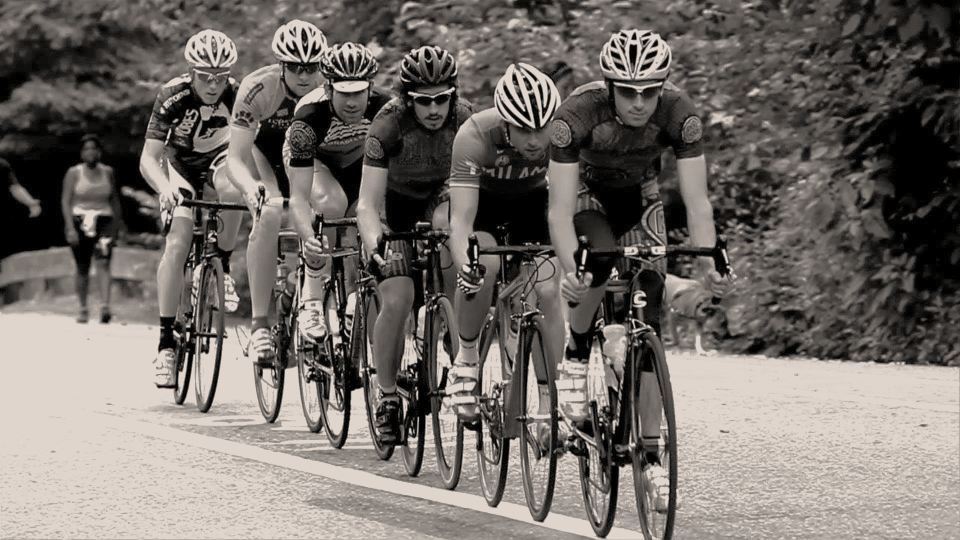
To illustrate, I’ll offer my favorite facilitation metaphor - a cycling paceline, as seen in the Grand Tours.
The paceline is all about aerodynamics, so the job of the lead cyclist is to set the pace and break the headwind for everyone else; they “ease” the burden on the rest of the group.
A meeting facilitator does the same thing by setting or confirming an agenda, establishing rules of engagement, and taking responsibility for getting things started.
In a paceline, the lead cyclist eventually slows down and rotates to the back so another rider can take the lead.
A skilled facilitator will do the same, by physically receding from the front of the room to create space for others to speak up and share new thoughts, perspectives, and opinions.
In both contexts, this dynamic repeats in order to stay on course as conditions change. This could mean reading the terrain, or the energy in the room. It could be acknowledging different riding skills or leveraging different knowledge bases. Ultimately, I like to say, a great facilitator knows when to fall back while keeping things in line.
Skilled facilitation is the difference between a productive meeting and a truly useless one, especially when the meeting objective is generative. To be effective, facilitators must possess a certain kind of social power, but it is power that is granted through the trust of the others - not taken because they hold the facilitator’s pen.
Facilitation is what drives authentically inclusive conversations, which is one of the 5 Conversations that shape both individual and organizational success in the creative and professional services. Send me a note if you’d like to learn more about the 5 Conversations Framework.